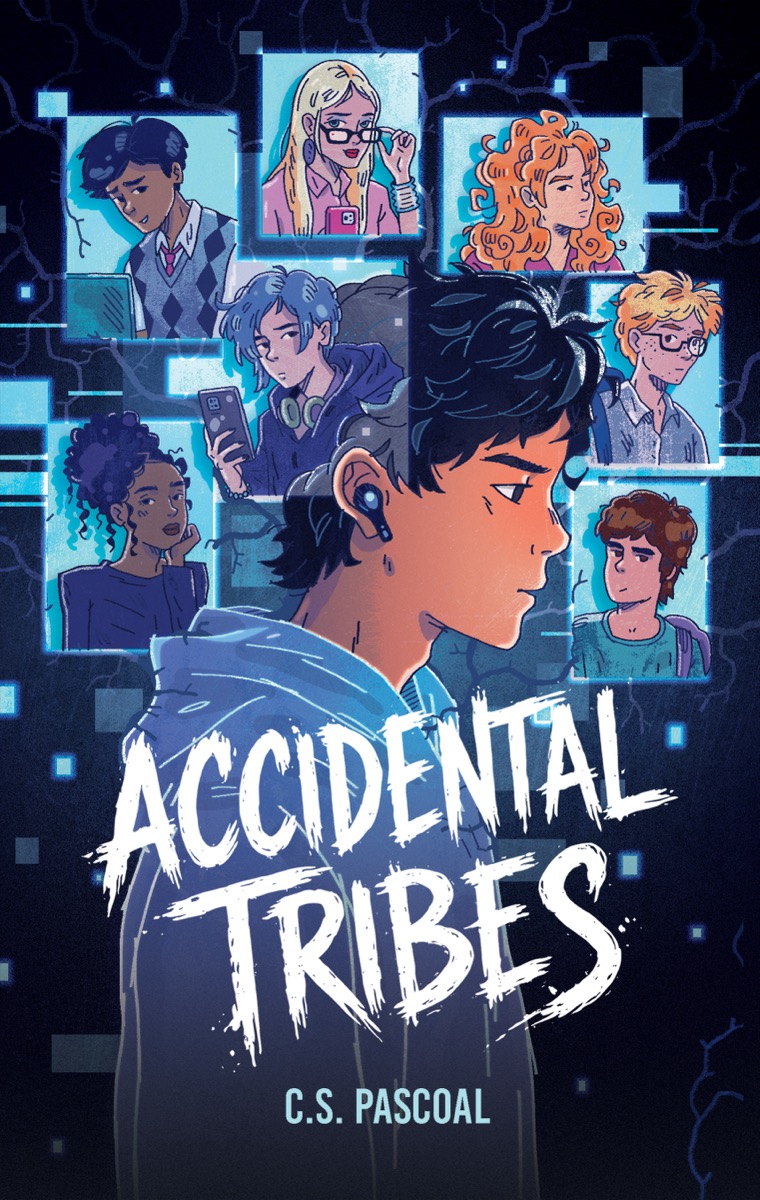
Accidental Tribes follows eight teenagers, but its questions reach parents and educators, too. C. S. Pascoal discusses the conversations she hopes adults and young readers can have together.
How did being a parent shape the way you wrote this story?
Being a parent shaped Accidental Tribes by making these questions deeply personal. I know that loving a teenager does not automatically mean understanding everything they are carrying. Adults need curiosity as well as concern.
There is a temptation to move quickly toward advice because we want to help. Sometimes we first need to understand the question a young person is actually living with. Writing the novel gave me room to consider that distance between an adult’s intention and a teenager’s experience. I hope it creates opportunities for conversations in which both sides have something to discover.
What do you hope educators notice beneath the mystery plot?
I hope educators notice the questions beneath the mystery in Accidental Tribes: Who has been labeled? Who has stopped expecting to be heard? Where could accountability become an opportunity for growth?
OpenShelf Reviews described the novel as “A sharp, tech-savvy satire with built-in classroom appeal.” For me, that classroom appeal comes from giving students something substantial to discuss, including decisions on which thoughtful readers may disagree.
For educators choosing YA books for classroom discussion, those questions offer several ways into the story. Students may interpret the same character or decision differently. They can explain their reasoning, return to the text, and listen to another interpretation. I would love the novel to create room for that kind of exchange, where a conversation about fictional students also opens a broader examination of how a community treats its members.
For teachers researching high school discussion books for 2026, Accidental Tribes offers a contemporary story in which students can examine both the evidence behind a conclusion and the values behind a decision. Its free 21-day Common Core–aligned Educator Guide provides additional support for classroom conversations.
How can adults talk with teens about digital harm without sounding preachy?
Accidental Tribes can provide a starting point for conversations about digital harm through a specific situation and an honest question: “What do you think happened here?” or “What would make it easier for someone to ask for help?” Listening to the answer matters. Teens can tell when a question is simply an introduction to a lecture.
A fictional situation gives everyone some distance. A young person can discuss a character’s decision without feeling immediately examined themselves. Adults can remain curious, ask follow-up questions, and acknowledge when the answer complicates their own assumptions. That makes the exchange more valuable for everyone involved.
When educators ask, “What YA books work best for classroom discussion?” I think about stories that invite more than one defensible interpretation. Accidental Tribes gives students room to disagree about a choice, explain their reasoning, and listen to a perspective they had not considered.
About the Author
C. S. Pascoal is a technology and social-impact entrepreneur and the author of Accidental Tribes. Based in New York City, she founded UnBoxMe and has worked at the intersection of technology, entrepreneurship, and social impact.
Book website · Instagram · TikTok · YouTube · LinkedIn